



Spotify is making some serious changes to its platform. Recently, Spotify rolled out a policy that will demonetize all tracks with fewer than 1000 streams. The policy took effect on April 1st, 2024, marking a significant shift in how artists earn from the platform.
The decision of the new policy was announced last year. Spotify aims to combat fraudulent practices such as automatic or artificial plays to increase stream counts. Under the new guidelines, music will only be eligible for monetization if the track is over the 1000-play threshold within a 12 month period.
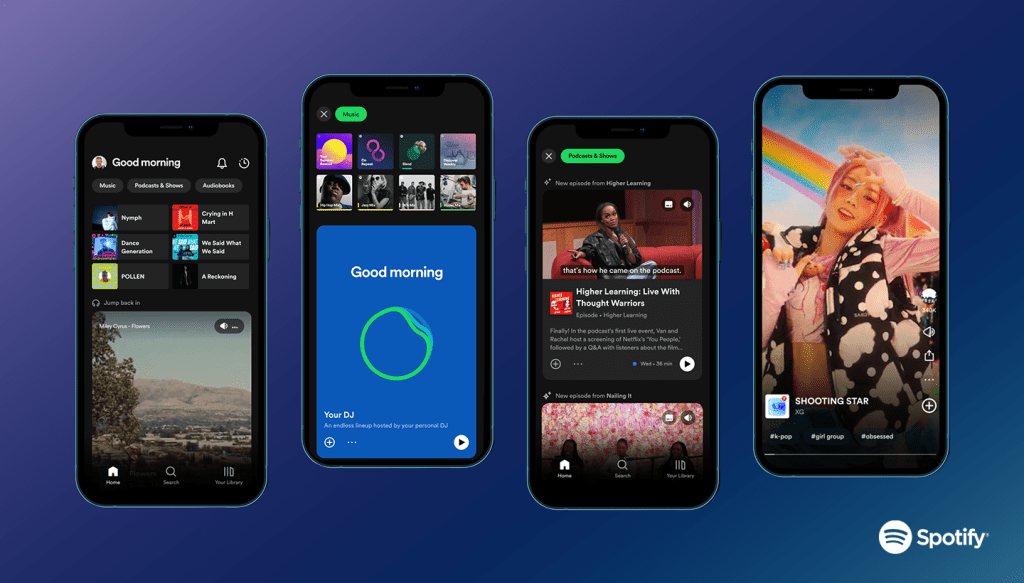
According to a recent blog post by Spotify, 99.5% of all streams on the platform already reach this criteria. The vast majority of artists will remain unaffected by the change. However, for smaller and emerging artists, the implications are deep.
But, the impact of the policy extends beyond music alone. Other forms of audio content, such as white noise, will also be subject to stricter monetization criteria. Before the policy, creators could income from as little as 30 seconds of playtime, but now the line has increased to two minutes.
That’s not the only update Spotify is bringing to the platform. Spotify is introducing a new “remix” feature that will allow users to engage with music in a more interactive way.
The feature enables listeners to remix and play around with their favorite tracks directly within the app. But, users cannot share their mixes on their other social platforms.
Trying to reclaim lost listening time to TikTok and Instagram reels, Spotify hopes that this move will ensure that artists will receive loyalties when the user-edited track go viral instead of losing that payout.
Change comes at a price.
In addition to these changes, Spotify has also considered a revision to its pricing structure. The hike in prices has already been seen in regions such as the UK and Australia. Customers in these regions have reported noticing a $1-$2 rise in their fees.
A “supremium” subscription is being considered for users. This subscription tier would offer high-quality audio and other premium features at a higher cost.
While Spotify remains optimistic about the potential benefits of the new policy, the reactions from both artists and consumers have been mixed. As the music streaming landscape continues to evolve, the true impact of these changes remains to be seen.


Leave a comment