



Recent pop culture has leaned into a kind of medieval renaissance. From Charli XCX’s work on Emerald Fennell’s Wuthering Heights to the renewed fascination with comfort films like Ella Enchanted, Shrek, and A Knight’s Tale, there’s a noticeable yearning for the whimsical. Audiences seem drawn to romance that feels slightly removed from the present and aesthetics that lean softer and more stylized. Lana Del Rey fits naturally into that moment.
Lana Del Rey released “White Feather–Hawk Tail Deer Hunter” on February 17, 2026, with the music video arriving a day later. The rollout feels intentional without overstating itself. The video adopts a homemade, slightly kitschy style, shot with the vulnerability of a personal home video rather than polished studio production. It includes subtle references to Sylvia Plath, a long-time influence on Del Rey’s work, grounding the visual in the same literary themes that have shaped much of her writing.
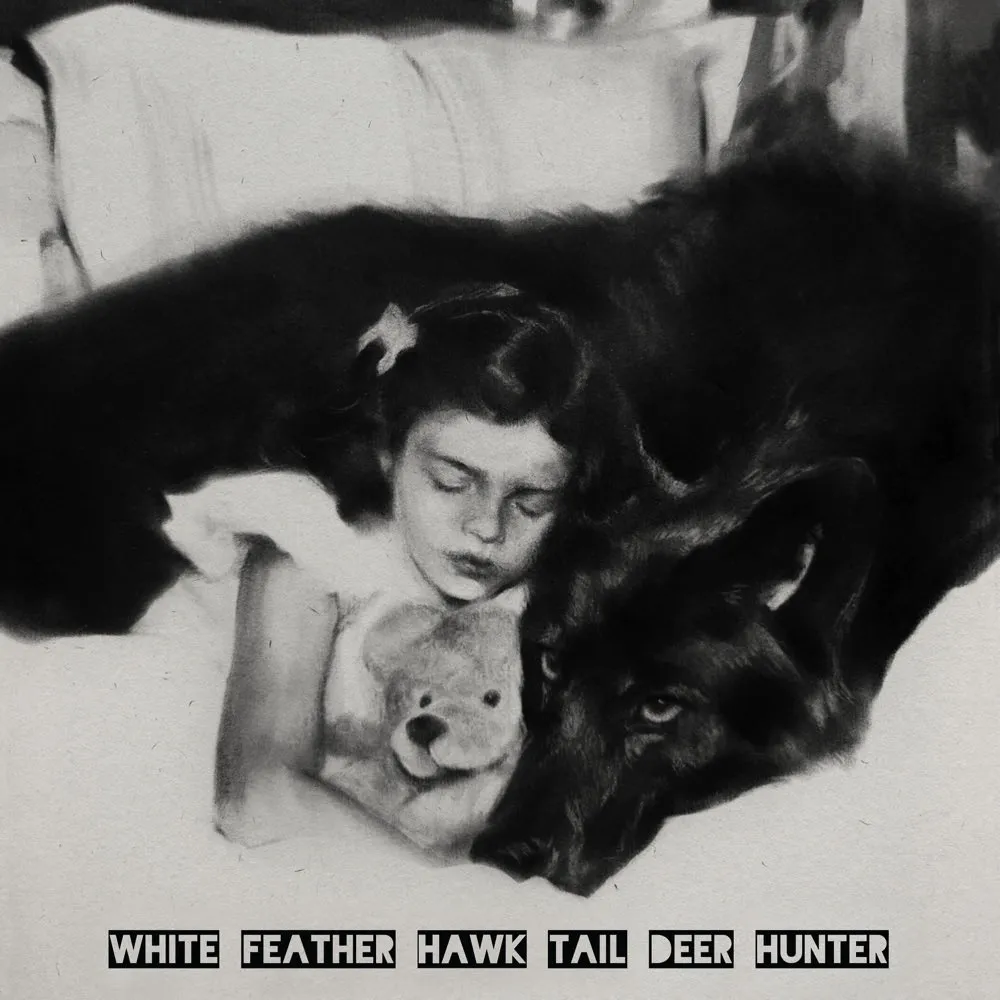
Much of the imagery centers on domestic space. Lana presents herself within a homemaker role, leaning into traditional femininity rather than framing it as performance. Unlike earlier eras where empowerment came through stylized control, this feels quieter and more self-imposed. Whether that reads as romantic, submissive, or intentionally provocative depends on the viewer, but it marks a clear tonal shift.
Watch the official music video to “White Feather–Hawk Tail Deer Hunter” below
Lana Del Rey’s Return to Americana
Sonically, the track opens with airy, restrained synths before strings layer in and give the arrangement shape. Gradually, the build remains subtle and unhurried. Nothing rushes. When Lana finally enters, her voice sits low and steady in the mix, controlled but not detached. Instead, she leaves space between lines and lets the production carry the weight.
Lyrically, she addresses the speculation surrounding her husband, Jeremy Dufrene. The widely circulated line, “I love my daddy, of course we’re still together,” lands plainly. Rather than leaning into theatrical emphasis, she moves forward without lingering on it. Notably, Dufrene also holds a lyricist credit on the track, which shifts the moment from reactive to collaborative. As a result, the line reads as intentional authorship rather than impulse.
Jack Antonoff’s production favors cohesion over climax. Throughout the track, strings anchor the structure while ambient textures fill the space around Lana’s vocal. Consequently, the arrangement avoids an explosive chorus or engineered peak. Instead, the track maintains composure and prioritizes tone over immediacy.
“White Feather–Hawk Tail Deer Hunter” moves with quiet confidence. Ultimately, it reinforces what Lana Del Rey continues to do well: build a world that feels distinct, controlled, and unmistakably hers. For more information on upcoming releases and live appearances, fans can visit her official website at lanadelrey.com.


Leave a comment